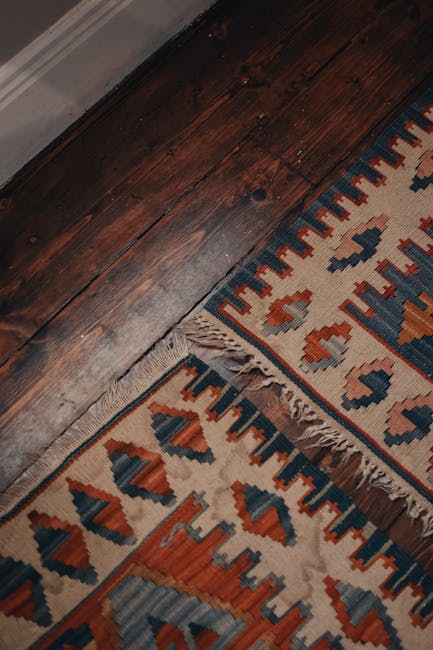
Wandle Park rug cleaning and stain restoration in Earlsfield
If you have a rug that has picked up muddy footprints, tea spills, pet accidents, or that odd mystery mark that appeared overnight, you are not alone. Wandle Park rug cleaning and stain restoration in Earlsfield is the kind of service people usually look for when a favourite rug stops looking like itself. And let's face it, a rug can change the whole feel of a room: one stain, and suddenly the space feels tired.
This guide explains how rug cleaning and stain restoration works in a real home setting, what to expect from the process, and how to decide whether a rug needs a quick refresh or a more careful restoration approach. We will also cover common mistakes, practical checks, and the small details that make a surprisingly big difference. If you want a broader overview of related services, you may also find the company's rug cleaning service and stain removal guidance helpful.
Table of Contents
- Why Wandle Park rug cleaning and stain restoration in Earlsfield Matters
- How Wandle Park rug cleaning and stain restoration in Earlsfield Works
- Key Benefits and Practical Advantages
- Who This Is For and When It Makes Sense
- Step-by-Step Guidance
- Expert Tips for Better Results
- Common Mistakes to Avoid
- Tools, Resources and Recommendations
- Law, Compliance, Standards, or Best Practice
- Options, Methods, or Comparison Table
- Case Study or Real-World Example
- Practical Checklist
- Conclusion
- Frequently Asked Questions
Why Wandle Park rug cleaning and stain restoration in Earlsfield Matters
Rugs do more than sit on the floor. They collect the daily story of a home: shoes, crumbs, spilled drinks, pet hair, pollen, dust, and all the little things that drift through a busy room. In a place like Earlsfield, where family life, commuting, pets, visitors, and everyday living all overlap, rugs often take a beating long before people realise it.
Wandle Park rug cleaning and stain restoration in Earlsfield matters because rugs are usually made from materials that react differently to dirt and moisture. Wool, silk, synthetic fibres, blended weaves, fringe details, backing adhesives - all of them behave differently. A stain is rarely just a stain. It can be a dye transfer issue, an oily residue, a protein-based mark, or a combination. That is why a one-size-fits-all approach is risky. To be fair, it is one of those household jobs that looks simpler than it is.
There is also the visual side. A pale rug with a dark tea ring can make a room feel messy even when everything else is tidy. A patterned rug can hide small marks, but once dirt settles into the pile, the colours lose their lift. The result is subtle, but you notice it every time you walk past.
Good rug cleaning is not only about appearance. It also helps with odours, allergens, and the general lifespan of the textile. If a rug is expensive, handwoven, sentimental, or just the piece that makes the room feel finished, restoration is often worth more than replacement.
Expert summary: The best rug results come from matching the cleaning method to the fibre, dye stability, backing, and stain type. Rush it, and you can set the stain or distort the weave. Handle it carefully, and a rug often comes back looking far better than expected.
How Wandle Park rug cleaning and stain restoration in Earlsfield Works
Most effective rug cleaning follows a structured process. That structure matters, because the cleaner needs to know not only what is visible, but also what is hidden deeper in the fibres. A sensible process usually begins with inspection, then fibre testing, then stain identification, then targeted cleaning. Simple enough in theory. In practice, it is where experience shows.
First, the rug is assessed for construction and condition. Is it hand-knotted, tufted, woven, or machine-made? Is the pile low or dense? Are there worn patches, loose threads, colour bleeding risks, or water damage from an old spill? These details shape everything that follows.
Then comes pre-treatment. This is where specific spots are addressed with the right spotting agents or safe, controlled methods. An old coffee mark may need a different approach from pet urine or a greasy food stain. If you want related detail, the page on pet stain and odour removal gives a good sense of how stubborn organic contamination can be.
After that, the rug is usually cleaned using a method suited to the fibre and level of soiling. Some rugs do well with low-moisture cleaning. Others need deep wash treatment or careful hot-water extraction in controlled conditions. A good cleaner will also consider drying, because over-wetting can lead to dye migration, shrinkage, or a musty smell. Nobody wants that. Nobody.
Finally, the rug is groomed, dried, and checked again. In stain restoration work, this last inspection is often where the truth shows up. Some marks vanish immediately. Others ghost back as the rug dries, which is why experienced cleaners sometimes do a second pass. Not glamorous, but effective.
Key Benefits and Practical Advantages
There are a few obvious benefits, and a few that people only notice later.
- Better appearance: Colours look more balanced, the pile lifts, and the room feels fresher.
- Stain reduction or removal: Fresh marks, spills, and traffic grime can often be improved dramatically.
- Odour control: A clean rug usually smells cleaner too, especially after food spills or pet incidents.
- Longer rug life: Dirt particles can abrade fibres over time, so periodic cleaning protects the texture.
- Safer cleaning for delicate rugs: Professional methods reduce the risk of colour run, shrinkage, or over-wetting.
- Better value than replacement: Restoring a good rug can be far more practical than buying a new one.
There is a quiet benefit as well: peace of mind. When a rug is cleaned properly, you stop side-eyeing that stain every time you sit down with a cup of tea. That sounds small, but it matters in daily life.
If your rug is part of a wider soft-furnishings refresh, it may be sensible to look at upholstery cleaning or even sofa cleaning at the same time. Matching cleanliness across the room makes a bigger difference than people expect.
Who This Is For and When It Makes Sense
This service makes sense for homeowners, renters, landlords, and small businesses that want rugs to look cared for rather than merely "not too bad." It is especially relevant if you have:
- a wool, silk, viscose, or blended rug that needs careful handling
- visible stains from tea, coffee, wine, food, ink, makeup, or pets
- odours trapped in the pile
- a rug that has gone flat or dull in high-traffic areas
- an heirloom or decorative rug you do not want to replace
- post-move, end-of-tenancy, or pre-sale cleaning needs
It also makes sense when DIY cleaning has made the problem worse. That happens more often than people admit. You try a bit of water and a cloth, dab too hard, the mark spreads, and suddenly the original tiny stain becomes a larger pale patch with a ring around it. Not ideal.
If the rug sits in a family living room or hallway where shoes and wet weather bring in grit, routine professional cleaning can be a sensible maintenance decision rather than an emergency fix. And if you are comparing overall home care options, the company's carpet cleaning page may help you see how rug care sits alongside broader floor cleaning.
Step-by-Step Guidance
Here is a practical way to think about the process from start to finish.
- Identify the rug material. Check whether it is wool, synthetic, silk, cotton, jute, or a blend. If in doubt, don't guess.
- Look at the stain closely. Fresh spill? Old mark? Food? Grease? Pet accident? The source changes the treatment.
- Test the colour stability. This matters on dyed rugs, especially handwoven pieces and anything with bold patterning.
- Pre-vacuum gently. Dry soil should be removed before moisture or cleaning solutions are introduced.
- Apply the right pre-treatment. Use targeted spotting, not broad soaking. More is not better here.
- Clean using a suitable method. Low moisture, controlled wash, or extraction depending on the rug and condition.
- Rinse or neutralise if needed. Residue left behind can attract soil later.
- Dry properly. Airflow matters. So does patience.
- Inspect the result. Some stains need a follow-up treatment once the rug is dry enough to reassess.
If you are doing a small spot clean at home before arranging professional help, keep it modest. Blot, do not rub. Use cool or lukewarm water unless the fibre clearly allows otherwise. And stop if the dye begins to transfer. Really stop. That is the moment to switch from DIY to expert help.
Expert Tips for Better Results
Good rug restoration often comes down to small habits. Here are a few that make a real difference.
- Act quickly, but calmly. Speed helps, panic does not.
- Blot from the outside in. This helps prevent the stain from spreading.
- Use white cloths or plain absorbent paper. Coloured cloths can transfer dye.
- Always test a hidden area first. Even safe-looking products can react badly.
- Keep heat away from unknown stains. Heat can set protein stains and some dyes.
- Dry the backing as well as the pile. Moisture trapped underneath can lead to odour or mildew.
- Rotate rugs regularly. It reduces uneven wear and light fading.
One thing that often gets overlooked is the fringe. Fringes may look decorative, but they are also the first thing to fray or yellow. If the rug has fringe, a careful cleaner will treat it separately or avoid dragging soil back into it during the main clean. Small detail, big difference.
Another point: if the rug sits under furniture, move the items before cleaning if it is safe to do so. The edges and the "hidden" sections often tell a more honest story than the centre. That sounds obvious, but in real homes it is easy to miss.
Common Mistakes to Avoid
Some rug problems are caused by the original spill. Others are caused by the cleanup attempt.
- Scrubbing hard: This pushes soil deeper and can damage the pile.
- Using too much water: Over-wetting leads to slow drying, odours, and sometimes shrinkage.
- Applying random stain removers: Household products can bleach or distort delicate fibres.
- Ignoring the dye test: A small test is far cheaper than replacing a ruined rug.
- Drying in poor conditions: A damp rug folded in a corner is asking for trouble.
- Forgetting the backing: You may clean the top but leave the underside wet.
There is also the mistake of waiting too long. Old stains can still be improved, but the chances of complete restoration usually drop as the spill oxidises, dries into the fibre, or becomes part of the pile. A fresh red wine mark and a two-month-old red wine mark are not the same problem at all.
Tools, Resources and Recommendations
You do not need a van full of gear to understand what good rug care looks like, but the right tools help.
| Tool or Resource | What It Helps With | Why It Matters |
|---|---|---|
| Vacuum with gentle settings | Dry soil removal | Reduces abrasive dirt before cleaning starts |
| White absorbent cloths | Spot treatment and blotting | Helps avoid dye transfer |
| Fibre-safe cleaning solutions | Targeted stain treatment | Limits damage to delicate materials |
| Airflow or drying equipment | Fast, even drying | Helps prevent lingering moisture and odour |
| Professional inspection | Material and stain assessment | Useful for old, valuable, or fragile rugs |
If you are deciding which service line is closest to your issue, it can help to compare rug work with broader textile cleaning. For example, steam carpet cleaning is useful for understanding deep-clean principles, while curtain cleaning shows how careful fabric handling differs from a hard floor or a synthetic mat.
For cost planning, it is sensible to review pricing and quotes before booking. Good providers should explain what affects the quote, rather than hiding behind vague bundles. That transparency is usually a sign you are dealing with people who actually do the work, not just talk about it.
Law, Compliance, Standards, or Best Practice
For rug cleaning, the most relevant "compliance" is usually best practice rather than a single rigid rulebook. In the UK, a responsible provider should work in line with sensible health and safety procedures, manage cleaning chemicals carefully, and avoid creating slip risks or excessive moisture in the home.
Good practice normally includes:
- checking fibre type and dye stability before applying treatment
- using suitable products in controlled amounts
- following safe handling procedures for chemicals and equipment
- minimising disruption to the home or workplace
- being clear about what can and cannot be guaranteed on old stains
If you are comparing providers, you may also want reassurance around insurance, safety, and complaint handling. Those subjects are not exciting, admittedly, but they matter when someone is handling valuable furnishings in your home. The pages on insurance and safety and the health and safety policy are useful for understanding how a professional operator frames responsibility. For day-to-day service expectations, terms and conditions can help clarify scope, limitations, and practical service details.
Where sustainability matters to you, it is also reasonable to ask how waste water, packaging, and product use are managed. The company's recycling and sustainability information is a useful starting point for that conversation.
Options, Methods, or Comparison Table
Different rug situations call for different methods. Here is a straightforward comparison.
| Method | Best For | Pros | Watch Outs |
|---|---|---|---|
| Dry soil removal and spot treatment | Lightly soiled rugs with isolated stains | Quick, low risk, useful first step | Not enough for deep embedded dirt |
| Low-moisture cleaning | Delicate rugs or colour-sensitive items | Reduced drying time, less wetting | May not lift heavy contamination fully |
| Deep wash or controlled extraction | Heavily soiled rugs or broader staining | Strong cleaning result, better for ground-in dirt | Needs careful drying and fibre knowledge |
| Targeted stain restoration | Specific marks like wine, urine, ink, oil | Focused treatment, better stain results | Some old stains may only lighten, not disappear |
There is no perfect method for every rug. That is the honest answer. A method that is excellent for one material can be a poor choice for another. The real skill is choosing properly, not using the most aggressive option available.
Case Study or Real-World Example
A fairly typical Earlsfield scenario goes like this: a family rug in the living room has two problems. One is an old tea mark near the sofa. The other is a darker patch where a dog had an accident months ago. At first glance, the rug just looks tired. A bit dull, a bit flat, nothing dramatic. But once it is assessed, the story becomes clearer. The tea spill has oxidised into a faint ring. The pet mark has left both staining and odour in the fibres.
The first step is to test the rug's colour and fibre response in a hidden corner. After that, the stain areas are treated separately rather than with one broad pass. The tea mark needs gentle spotting and controlled cleaning. The pet-affected area needs deeper deodorising and a more careful rinse. The whole rug is then cleaned as a single piece so it dries evenly and does not end up patchy.
What usually surprises people is not just how much cleaner the rug looks, but how different the room feels. The colours come back. The pile stands up a little better. The sour smell fades. It is one of those changes you notice the moment you walk in on a cool morning, even before the kettle is on.
That said, not every stain disappears completely. A good restoration result is often about making the rug look balanced and presentable again, not pretending the spill never happened. Honest expectations help. Better outcomes follow.
Practical Checklist
Use this quick checklist before arranging rug cleaning or trying a small spot treatment at home.
- Identify the rug material if you can.
- Check for colour bleeding in a hidden area.
- Note the stain type and how long it has been there.
- Blot excess liquid rather than rubbing.
- Avoid over-wetting the rug or backing.
- Keep heat away from unknown stains.
- Make sure drying space is available before cleaning begins.
- Ask about insurance and safety if the rug is valuable.
- Review pricing and service scope in advance.
- Plan for a final inspection once the rug is dry.
If the rug is part of a larger home refresh, you might also consider mattress cleaning or stain removal for other problem areas. Sometimes once you start, you spot three other things that have quietly been bothering you for months. Happens all the time.
Get a free quote today and see how much you can save.
Conclusion
Wandle Park rug cleaning and stain restoration in Earlsfield is really about bringing back the look, feel, and usefulness of a rug without taking unnecessary risks. The best results come from matching the treatment to the textile, understanding the stain, and drying the rug properly. Simple idea, but it takes judgement to do well.
Whether your rug needs a light refresh or a more involved restoration, the main thing is not to guess. Good rug care protects the fibre, improves the room, and saves you from the false economy of replacing something that could still have plenty of life left in it. And if the rug is meaningful, that matters even more. A well-kept rug quietly holds a room together. You feel it, even if you do not say it out loud.
When you are ready, take the next sensible step and ask for a proper assessment rather than a rushed fix. That small bit of care can make all the difference.
Frequently Asked Questions
What does rug cleaning and stain restoration usually include?
It usually includes inspection, fibre testing, stain assessment, pre-treatment, cleaning, drying, and a final check. Restoration work may also involve more targeted spotting for specific marks such as wine, urine, grease, or dye transfer.
Can all rug stains be removed completely?
No, and it is better to be honest about that. Some stains fade dramatically, while others only improve. Age, fibre type, dye stability, and how long the stain has been there all affect the outcome.
Is it safe to clean a wool rug at home?
Light surface cleaning may be possible, but wool is easy to over-wet or damage with the wrong product. If the rug is valuable, dyed, or already stained, professional treatment is usually the safer option.
How long does a rug take to dry after cleaning?
Drying time varies depending on the material, cleaning method, ventilation, and room temperature. Good airflow helps. A rug should never be left damp for long, especially on the backing.
Will rug cleaning remove pet odours as well as stains?
Often it can improve odours significantly, but pet contamination can soak deeper into the fibres and backing. In those cases, targeted treatment is important. For heavier issues, pet-specific odour work is usually the better route.
What is the difference between rug cleaning and stain restoration?
Rug cleaning focuses on overall soil removal and freshness. Stain restoration is more targeted and aims to improve specific problem marks that need extra attention.
Should I vacuum a rug before professional cleaning?
Yes, if the rug is dry and stable. Light vacuuming removes loose soil and helps the cleaning process work more effectively. Just use gentle settings and avoid harsh beater bars on delicate rugs.
Can steam cleaning be used on rugs?
Sometimes, but not always. Steam or hot-water methods suit some synthetic or robust rugs, but delicate fibres may need a lower-moisture approach. The material should guide the method.
How do I know if a rug is colourfast?
A hidden area test is the usual starting point. If dye transfers to a cloth or the colour changes when damp, the rug may not be colourfast enough for standard wet cleaning.
Is professional rug cleaning worth it for a cheaper rug?
It can be, especially if the rug is large, used daily, or hard to replace. Even budget rugs can benefit from proper stain treatment if the cleaner uses the right method.
How often should rugs be cleaned?
That depends on use, foot traffic, pets, and the type of rug. Hallway and living room rugs generally need more frequent attention than decorative items in low-use rooms.
What should I ask before booking a rug cleaning service?
Ask about the cleaning method, stain treatment options, drying time, insurance, handling of delicate fibres, and what happens if a stain does not fully lift. Clear answers are a good sign.