Earlsfield carpet cleaning guide for Garratt Lane homes
If you live on Garratt Lane, you probably know the feeling: a carpet can look fine from across the room, then the afternoon light hits it and suddenly every tracked-in mark, tea ring, and worn patch is obvious. This Earlsfield carpet cleaning guide for Garratt Lane homes is here to make that easier to deal with. Whether you are freshening up a family sitting room, sorting out pet smells, or trying to bring some life back into a hallway runner, the right approach matters more than most people think.
Carpet care is not just about making fibres look brighter for a day. Done properly, it helps with hygiene, odour control, appearance, and the life of the carpet itself. And in homes near a busy road like Garratt Lane, with regular foot traffic and the usual London mix of dust, rainwater, and street debris, carpets tend to pick up more than you realise. The good news? Once you understand the process, it becomes much less mysterious.
This guide breaks down how carpet cleaning works, what methods suit different homes, what to avoid, and how to decide when a professional clean makes sense. It also points you toward useful related services, such as professional carpet cleaning, steam carpet cleaning, and targeted stain removal, so you can make a sensible decision rather than a rushed one.
Table of Contents
- Why it matters for Garratt Lane homes
- How the process works
- Key benefits and practical advantages
- Who this is for and when it makes sense
- Step-by-step guidance
- Expert tips for better results
- Common mistakes to avoid
- Tools, resources and recommendations
- Law, compliance, standards and best practice
- Options, methods and comparison table
- Case study or real-world example
- Practical checklist
- Conclusion
- Frequently asked questions
Why Earlsfield carpet cleaning guide for Garratt Lane homes Matters
Garratt Lane homes see a particular kind of wear. You get a blend of family life, commuting footfall, takeaway spillages, muddy shoes after wet weather, and the steady build-up of dust that every urban home seems to collect by magic. It is not glamorous, but it is real. And carpets, because they sit quietly under everything, end up holding onto far more than surface dirt.
That matters for a few reasons. First, carpets are one of the biggest soft surfaces in a home, so once dirt works its way into the pile, vacuuming alone will only do so much. Second, stains and odours settle in differently depending on the fibre, backing, and underlay. A quick dab may hide the issue, but the mark can come back later, often when the carpet dries. Annoying, isn't it?
Local conditions also matter. Homes close to busy roads or high-traffic walking routes often need more frequent cleaning because fine grit acts like sandpaper. It works its way into the fibres and slowly wears them down. You may not see the damage straight away, but over time it changes how the carpet feels underfoot and how long it lasts.
If you are weighing up whether to clean now or wait another few months, one useful way to think about it is this: if the carpet is starting to look tired, smell stale, or feel less soft in traffic lanes, you are probably already in the window where a proper clean will pay off.
Expert summary: on Garratt Lane, carpet cleaning is not just a cosmetic job. It is routine home maintenance. The best results usually come from matching the cleaning method to the carpet fibre, the type of soil, and how quickly the room needs to be usable again.
How Earlsfield carpet cleaning guide for Garratt Lane homes Works
Professional carpet cleaning is usually a staged process, not a single blast of water and hope for the best. In simple terms, it starts with inspection, then pre-treatment, then deep cleaning, then extraction or drying, followed by a final check.
For most homes, the practical goal is to loosen embedded dirt and remove it without over-wetting the carpet. That sounds obvious, but it is where many DIY attempts go a bit wrong. Too much moisture can leave residues behind or prolong drying, and no one wants that damp, slightly musty smell lingering into the evening.
Here is the basic flow you would normally expect:
- Inspection: the carpet type, pile direction, stains, wear patterns, and any problem areas are checked first.
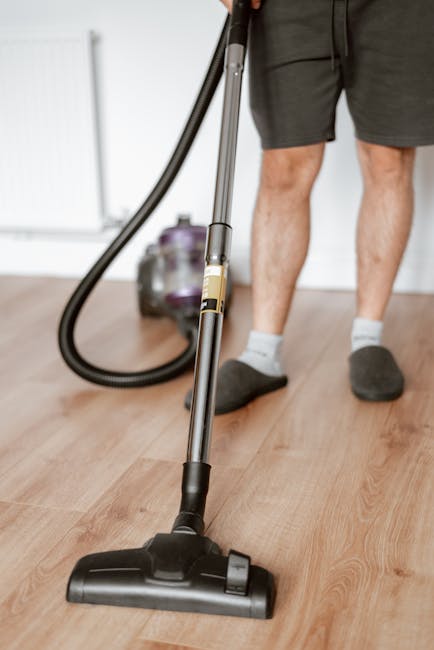
- Vacuuming: dry soil is removed before any liquid is used. This step makes a bigger difference than people expect.
- Pre-treatment: a suitable solution is applied to loosen grease, grime, and spot stains.
- Main clean: the carpet is cleaned using the chosen method, often with hot water extraction or a low-moisture alternative.
- Rinse or extraction: residues are removed as thoroughly as possible.
- Drying and grooming: airflow and pile brushing help the carpet dry evenly and look neat again.
Different homes need different approaches. A wool carpet in a front room will not be treated the same way as a durable synthetic carpet in a family hallway. That is why a one-size-fits-all method can disappoint. The best cleaners will talk you through what they are doing and why, rather than just getting on with it in silence like a machine on a mission.
If you are comparing methods, the service page for carpet cleaning is a useful reference point, while steam carpet cleaning is often the option people ask about when they want a deeper refresh.
Key Benefits and Practical Advantages
The obvious benefit is that the carpet looks cleaner. But honestly, that is only the beginning.
- Better appearance: traffic lanes, dull patches, and old spill marks are reduced.
- Improved freshness: stale odours from pets, cooking, and everyday use are lifted or reduced.
- Longer carpet life: removing grit helps reduce fibre wear.
- More comfortable rooms: a clean carpet often feels softer and less gritty underfoot.
- Better impression for guests or tenants: this matters if you are moving in, moving out, or simply tired of the place looking a bit tired.
- More manageable upkeep: once a carpet has been professionally cleaned, regular vacuuming tends to be more effective.
There is also a psychological benefit, strange though that sounds. A clean carpet can make a whole room feel calmer. You notice it especially in smaller Earlsfield homes where the living space does a lot of heavy lifting. The room just feels more settled.
For households with pets, children, or anyone prone to the occasional kitchen mishap, combining carpet care with pet stain odour removal or specialist stain removal can be a smart move. A general clean does a lot, but stubborn smells and specific marks sometimes need separate treatment.
Who This Is For and When It Makes Sense
This guide is useful if you live in a terraced house, flat, maisonette, or converted property near Garratt Lane and your carpet is starting to show everyday life. In practice, that means just about anyone with a carpeted room and a normal amount of wear. Which is to say: most people.
It makes particular sense for:
- families with children who spill, drop, and occasionally launch food with impressive accuracy
- pet owners dealing with fur, odour, or the odd accident
- renters preparing for end-of-tenancy checks
- homeowners doing a seasonal refresh, especially after winter
- people with allergies or sensitivity to dust and trapped debris
- landlords and letting agents wanting a property to present well
- households with older carpets that are still in good shape but have lost their spark
Timing matters too. After wet weather, during spring cleaning, before guests arrive, or when a carpet starts to smell a little "closed in", those are all decent moments to act. You do not need to wait for a disaster. In fact, waiting for the disaster is usually how expensive surprises happen.
If your issue is broader than the carpet itself, you may also want to look at upholstery cleaning or sofa cleaning so the room feels consistent rather than half refreshed, half tired.
Step-by-Step Guidance
Here is a practical way to handle carpet cleaning in a Garratt Lane home, whether you are doing light maintenance yourself or preparing for a professional visit.
1. Check the fibre and condition
Start by identifying what you are dealing with. Wool, synthetic blends, and patterned loop piles all behave differently. Look for signs of fraying, loose joins, colour fading, or previous patch repairs. If the carpet is delicate or very old, gentler cleaning may be the better option.
2. Vacuum thoroughly
This sounds basic, but it is vital. Vacuum slowly and in overlapping passes. Focus on edges, under furniture where possible, and the main walkway through the room. Dry soil removed now saves the wet clean from turning mud into paste. Not ideal, obviously.
3. Spot-test any product
Before applying anything widely, test a small hidden area. Wait for it to dry. If the colour changes, the pile looks flattened, or the area feels sticky, stop there. That small test can save a lot of regret.
4. Tackle stains in the right order
Work from the least aggressive treatment upward. Blot first. Do not scrub hard. Use a cleaner suitable for the stain type, whether that is food, grease, drink, mud, or pet accident residue. The rule is simple: lift, do not grind.
5. Choose the right deep-clean method
For heavily used living rooms or hallways, a deeper clean may be needed. For more delicate materials, a lower-moisture method may be preferable. This is where a trained eye makes a difference. The carpet may look similar to you and me, but fibres can be surprisingly particular.
6. Control drying
Open windows if weather allows, keep air moving, and avoid walking on the carpet until it is properly dry. If furniture must go back early, use protective pads and check for damp transfer. A carpet that dries evenly is usually a carpet that looks better afterwards too.
7. Finish with a tidy inspection
Once dry, check for any spots that have reappeared, any matting, or any edges that need a little extra care. Sometimes a stain is not gone first time and needs a second targeted treatment. That happens. It is not a failure; it is just how certain spills behave.
Expert Tips for Better Results
Over time, a few patterns become obvious. The homes that keep carpets looking good are not necessarily the ones that clean them most aggressively. They are the ones that clean them sensibly.
- Vacuum before soil builds up: once grit is embedded, it becomes harder to remove and more abrasive.
- Deal with spills quickly: fresh stains are almost always easier than old ones.
- Use less liquid than you think: too much water is a common mistake in DIY cleaning.
- Work with the pile, not against it: brushing in the wrong direction can make the carpet look patchy.
- Keep traffic lanes protected: runners or mats can reduce wear in hallways and entrances.
- Do a deep clean before hosting or moving: the room feels calmer and more finished, even if people cannot quite explain why.
A small but useful tip: if a stain keeps returning after you clean it, the issue may be residue below the surface rather than the top layer alone. In that case, a more thorough treatment is needed, not more elbow grease. More scrubbing is not always better. Truth be told, it often makes things worse.
If your carpets share space with curtains, mattresses, or heavily used seating, you may get better overall results by treating the room as a whole. Services like curtain cleaning, mattress cleaning, and upholstery cleaning can make the difference between a room that is partly refreshed and one that genuinely feels new again.
Common Mistakes to Avoid
Most carpet problems are not caused by dramatic disasters. They are caused by small, repeated errors. Here are the usual suspects.
- Using too much detergent: residue attracts dirt and can make carpets re-soil faster.
- Scrubbing a fresh spill: this pushes the stain deeper and damages the pile.
- Skipping vacuuming before cleaning: dry dirt becomes sludge once moisture is added.
- Leaving the carpet too wet: this can extend drying and create odour issues.
- Ignoring the carpet fibre: wool, synthetics, and blends do not all respond the same way.
- Forgetting about drying conditions: in a closed room on a damp day, a carpet may take much longer than expected.
- Cleaning only the visible stain: the surrounding area often contains the real edge of the problem.
And one more, because it comes up a lot: not every mark is a stain. Some are wear, fibre crushing, or colour loss. If the damage is physical rather than dirty, cleaning can improve the look, but it will not magically restore missing fibre. Carpets, frustratingly, are not wizards.
Tools, Resources and Recommendations
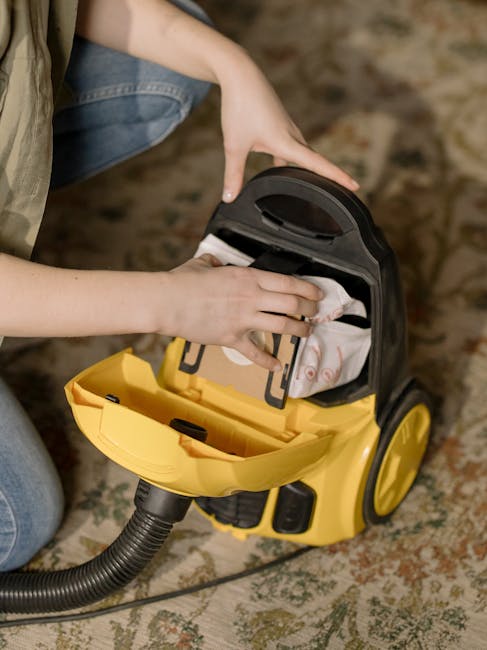
You do not need an arsenal of equipment to look after a carpet well, but having the right basics helps. A solid vacuum, a few clean white cloths, a mild spot treatment suitable for carpets, and a method for controlled drying will cover a lot of everyday situations.
For homeowners comparing service levels, it can help to look at the cleaner's approach to pricing, safety, and service scope before booking. The pages on pricing and quotes, insurance and safety, and health and safety policy are useful signposts for what a professional setup should cover. If a company cannot explain those basics clearly, that is a little red flag. Not always, but often enough.
It is also sensible to consider how a company handles data, payments, and complaints. Those are not glamorous topics, but they tell you a lot about how the business is run. The pages for payment and security, privacy policy, terms and conditions, and complaints procedure are worth a quick look if you are choosing a provider.
Practical recommendation: for a standard home clean, ask what method will be used, how long drying usually takes in a real house rather than in theory, and whether stain treatment is included or separate. Those three questions often tell you more than a polished sales pitch.
Law, Compliance, Standards, or Best Practice
For domestic carpet cleaning in the UK, most readers are not trying to become experts in compliance. Fair enough. Still, a few best-practice points are worth knowing because they affect safety, trust, and results.
Any cleaner working in a home should use sensible risk assessment, avoid leaving unsafe wet floors, and protect your property while working. That sounds simple, but it matters. A reputable service should also be transparent about what is included, how payment works, what happens if something goes wrong, and how complaints are handled.
For households with children, pets, or asthma concerns, it is wise to ask about product suitability and ventilation. A careful cleaner should be able to explain whether a treatment is low-odour, how long a room should be left unused, and whether furniture needs moving. If answers are vague, keep asking. That is not being awkward; that is being sensible.
If sustainability is important to you, the approach to wastewater, product use, and waste handling may also matter. You can check the company's recycling and sustainability approach if you want a better sense of how they think about materials and disposal. Small details add up, especially in longer-term home care.
Options, Methods, and Comparison Table
Different carpet cleaning methods suit different situations. There is no single winner for every home, which is why a short comparison is useful.
| Method | Best for | Strengths | Watch-outs |
|---|---|---|---|
| Hot water extraction | General deep cleaning, traffic lanes, most family homes | Good soil removal, strong refresh, widely used for deep cleaning | Needs proper drying time; not ideal for every delicate carpet |
| Steam-style deep cleaning | Heavily used carpets and odour-related cleaning goals | Useful for a thorough clean and freshness | Can be overused on sensitive fibres if not assessed properly |
| Low-moisture cleaning | Faster turnaround, lighter maintenance, some delicate setups | Quicker drying, less water exposure | May not suit heavy soiling or deep embedded marks |
| Spot treatment only | Isolated stains or accidents | Targeted, fast, often cost-effective | Does not solve overall dirt or wear |
The best choice depends on the carpet, the room, and how quickly you need the space back. A hallway with repeated foot traffic may benefit from a deeper treatment, while a bedroom that only needs freshening might do well with a lighter approach. Simple, but not always obvious.
If the carpet is only one part of the job, wider soft-furnishing cleaning may be worth considering too. A stain on a sofa, a dusty rug, and a flat-smelling carpet can all make the same room feel neglected. A coordinated clean often works better than treating things in isolation.
Case Study or Real-World Example
Here is a realistic example based on the sort of situation many Garratt Lane homes face.
A small family living room had a light-coloured synthetic carpet that looked acceptable in normal light, but near the window the traffic path stood out. There were old drink marks, a faint pet smell near the sofa, and one patch by the doorway that had gone slightly flat and grey. Nothing dramatic. Just the kind of wear that quietly builds up until you suddenly notice it one Saturday morning.
The first step was a thorough vacuum, including the edges and the path between the hallway and the seating area. Then the obvious spots were treated separately, because not all stains behave the same way. The main clean was chosen to suit the synthetic fibre and the level of soil, with extra attention paid to the entrance area where grit had collected.
What changed afterwards was not just the colour. The room looked brighter, yes, but it also felt less stuffy and a bit more open. The family said the hallway no longer made the sitting room seem tired by association. That is the thing with soft furnishings: one scruffy patch can cast a shadow over the whole room.
The most useful lesson from that kind of job is straightforward. If you wait until the carpet is obviously bad, you are cleaning from a worse starting point. If you act when you first notice the traffic lanes or a faint smell, the result is usually better and easier to maintain. Simple. Not always easy, but simple.
Practical Checklist
Use this checklist before and after a carpet clean in a Garratt Lane home.
- Vacuum the carpet slowly and thoroughly before any wet cleaning.
- Check the carpet fibre and any manufacturer care guidance if available.
- Test products on a hidden area first.
- Blot spills instead of scrubbing them.
- Treat stains by type where possible, not with one blanket approach.
- Allow proper drying time and keep the room ventilated.
- Move furniture carefully and protect legs or feet where needed.
- Inspect traffic lanes and doorway areas, not just the obvious stain.
- Consider whether rugs, sofas, or curtains also need attention.
- Ask about insurance, safety, and what the service includes before booking.
- Keep a note of any persistent smell or repeated stain so it can be assessed properly later.
If you can tick most of those boxes, you are already ahead of the average home clean. And yes, that really does make a difference.
Conclusion
For Garratt Lane homes, carpet cleaning is one of those jobs that looks simple on the surface but rewards a bit of care and judgment. The right method depends on the carpet type, the level of soiling, the stain history, and how quickly you need the room back in use. Get those basics right and the results tend to be much better, longer-lasting, and less stressful.
Whether you are dealing with everyday dust, a stubborn stain, pet odour, or a general tired look, the key is to act before the carpet becomes a bigger problem. A well-cleaned carpet can change the feel of a room more than people expect. It is a small reset, really. Quiet, practical, satisfying.
Get a free quote today and see how much you can save.
And if you are still deciding, start with the room that bothers you most. Once that one looks and smells better, the rest of the house usually feels easier to tackle too.
Frequently Asked Questions
How often should Garratt Lane homes have carpets professionally cleaned?
It depends on foot traffic, pets, children, and the colour of the carpet. Many homes benefit from a professional clean every 6 to 12 months, but high-traffic areas may need attention sooner. Hallways and living rooms usually show wear first.
Is steam carpet cleaning safe for all carpet types?
Not always. Steam-style deep cleaning can work very well, but delicate fibres, old carpets, or certain finishes may need a different method. A proper inspection first is essential. The method should match the carpet, not the other way around.
How long does carpet drying usually take?
Drying time varies with method, room ventilation, carpet thickness, and weather. Some carpets dry fairly quickly, while others need longer. Good airflow helps. If a carpet stays damp for too long, that is usually a sign too much moisture was used.
Can carpet cleaning remove all stains?
No honest cleaner should promise that. Some stains are removable, some are reduced, and some have already damaged the fibres or dye. The older the stain, the harder it usually is. Fresh spills give you the best chance.
What is the best way to clean pet smells from carpet?
Pet odours often need more than surface cleaning because they can soak into fibres and underlay. Spot treatment and odour-focused cleaning may help, especially when combined with proper extraction and drying. If the smell keeps returning, the source may be deeper than it looks.
Should I move furniture before the cleaner arrives?
It helps, but it is not always necessary. Some furniture can be moved safely and some cannot. Large items, fragile pieces, and heavy wardrobes are best discussed in advance. Less guesswork tends to mean fewer awkward moments on the day.
Is carpet cleaning worth it for rental properties?
Usually, yes. A fresh carpet can improve presentation, help with odours, and make a property more appealing for viewings or check-ins. It is especially useful at the end of a tenancy, when the carpet has had a bit of a hard life.
Can I clean wool carpet myself?
You can, but wool is more sensitive than synthetic carpet. Use mild products, very little moisture, and plenty of caution. When in doubt, test a hidden patch and avoid aggressive scrubbing. Wool likes care, not punishment.
What should I ask before booking a professional cleaner?
Ask what method they use, whether stain treatment is included, how long drying may take, and what insurance or safety arrangements they have in place. It is also sensible to ask about pricing, payment, and any conditions that apply.
Does carpet cleaning help with allergies?
It can help reduce dust, dirt, and other particles trapped in the fibres, which may improve the feel of the room. It is not a medical treatment, though, and results vary. Regular vacuuming and proper cleaning work best together.
What areas of the home should I clean at the same time?
If the living room carpet is being cleaned, it often makes sense to think about adjacent soft furnishings too. Rugs, sofas, curtains, and mattresses can all hold dust and odours. A room can look clean and still feel a bit tired if the other fabrics are left out.
How do I know whether I need stain removal or a full carpet clean?
If there is one isolated mark, targeted stain removal may be enough. If the carpet looks dull overall, feels gritty, or smells stale, a full clean is usually the better option. In many homes, it is a bit of both.
What is the biggest mistake people make with DIY carpet cleaning?
Using too much water and too much product. It feels like you are doing more, but often it creates residue, longer drying, and repeat staining. Less can genuinely be more here. A bit boring, maybe, but true.